
Opportunity:
Canopy Strategic Partners collaborated with the Philadelphia Zoo to develop its 2025–2028 Strategic Plan: a comprehensive roadmap that aligns financial sustainability, guest experience, animal wellbeing, learning, and conservation. Using a deeply participatory methodology that engaged staff, board members, and community partners, the process emphasized data-driven strategies and measurable outcomes. The resulting plan positions America’s first zoo as a national leader in urban conservation, guest engagement, and innovative animal welfare.

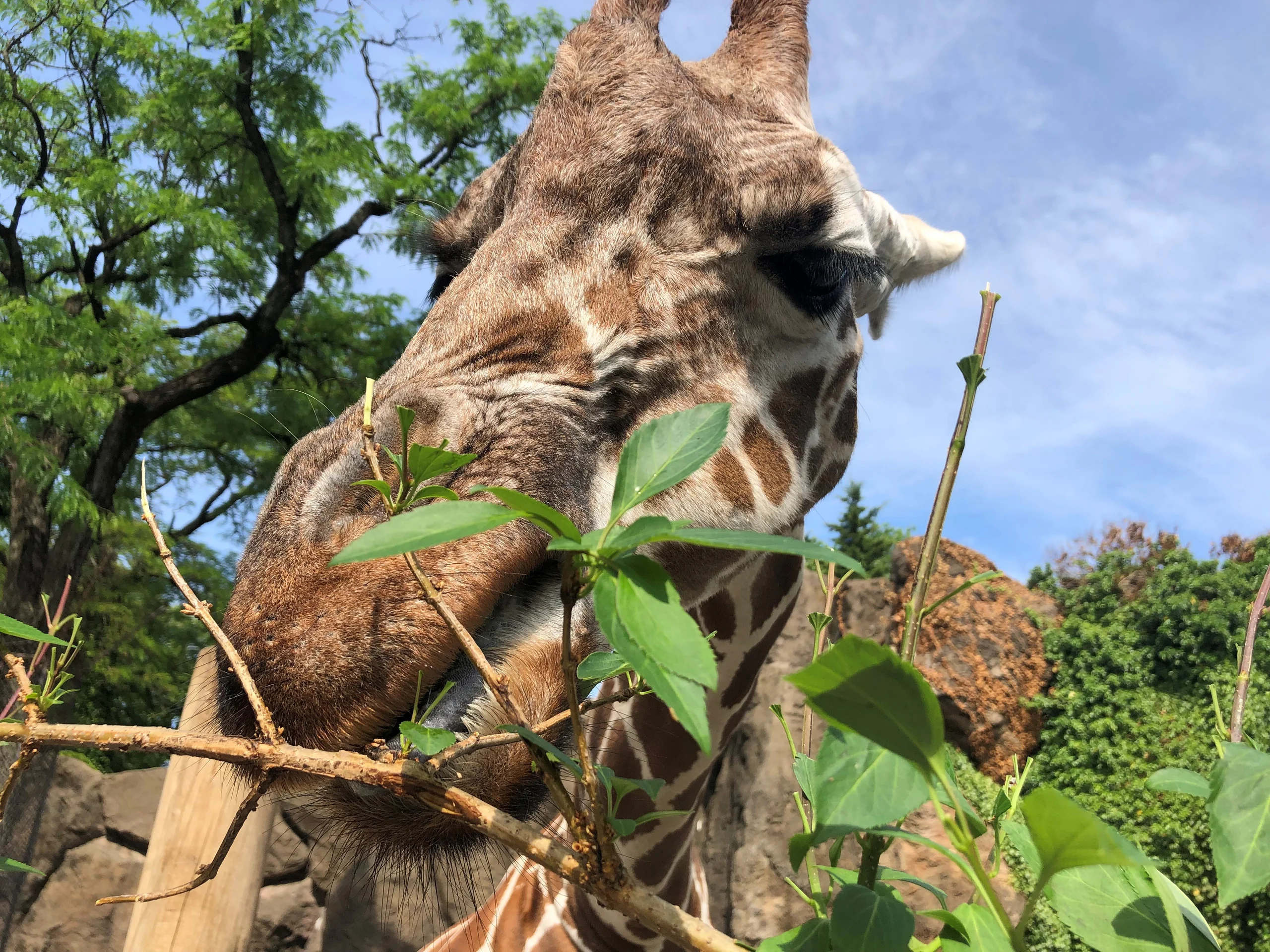
Image credit: philadelphiazoo.org
Project Highlights:
Data-Driven Strategy Development
Canopy facilitated a data-informed approach that combined business modeling, audience insights, operational metrics, and benchmarking with peer institutions. This allowed leadership to prioritize initiatives tied to measurable outcomes, including financial growth, attendance, and animal wellbeing. Organizational and Board KPIs now guide transparent progress tracking.
Integration Across Mission Areas
Rather than siloed initiatives, the plan intentionally interconnects financial strategy, guest experience, animal care, education, conservation, and organizational culture. This holistic design fosters interdisciplinary collaboration and identifies key areas of long-term impact that support the Zoo’s mission and vision.
Broad Stakeholder Engagement
Canopy led a multi-layered engagement process that invited input from across the organization and board, the Philadelphia community, and the zoo and aquarium field. From business model strategy sessions to community innovator roundtables and Blue Ribbon Panels, the process surfaced insights that shaped actionable priorities. This breadth of participation built trust, transparency, and a shared commitment to the Zoo’s future.
Result:
The plan strengthened alignment among staff, board members, and community partners during a time of leadership transition. It has positioned the Philadelphia Zoo to achieve sustained financial health, enhance guest experiences, and advance its leadership in animal care, education, and conservation science. Beyond the three-year document, the process refocused the Zoo on five long–term impact areas to achieve its mission and vision.
“The board is talking about the Zoo and thinking about the Zoo differently than I’ve seen in my time here, which I think is a reflection of both Jo-Elle’s vision as well as the work that Canopy did.”
— Kristen Waldron, Chief of Staff