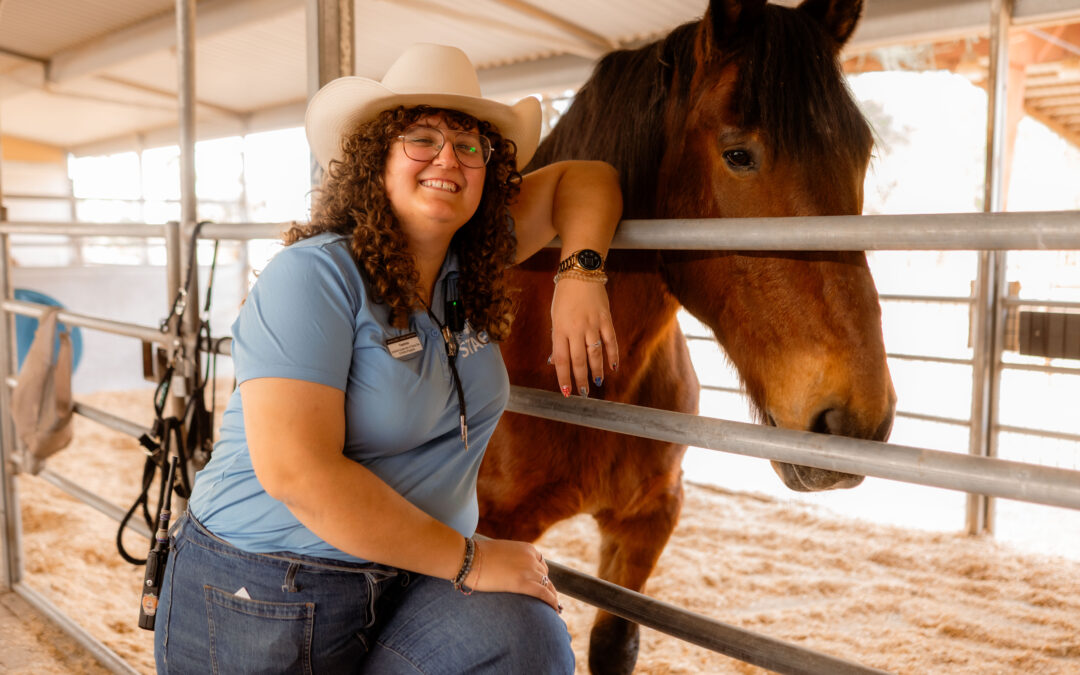
Meet Yasmine Gaudin: Assistant Supervisor of Day Camps & Family Programs at the Phoenix Zoo and one of Canopy’s sponsored participants in the 2026 Advancing Minority Leadership in Aquariums & Zoos Program.
Benchmarking is incredibly useful in business and strategic planning, but there’s a downside that doesn’t get talked about much. When the industry’s comfort zone shrinks, caution turns into conformity and safety turns into sameness. A level of risk is necessary if cultural organizations want to survive — and that means experimenting beyond the benchmark.
Meet Cherie Dumas Nobles: Research Program Manager at the Audubon Nature Institute and one of Canopy’s sponsored participants in the 2026 Advancing Minority Leadership in Aquariums & Zoos Program.
Whether you’re exploring new opportunities or positioning yourself for future growth, this guide will give you an inside look into an executive search from the recruiter’s perspective — including proven success strategies and pitfalls to avoid as you navigate the process.
Canopy’s Business Analytics Manager, Lauren Haskins, shares an inside look into our process of economic analysis and financial modeling — and the value of using extensive data to drive strategic goals and decisions.
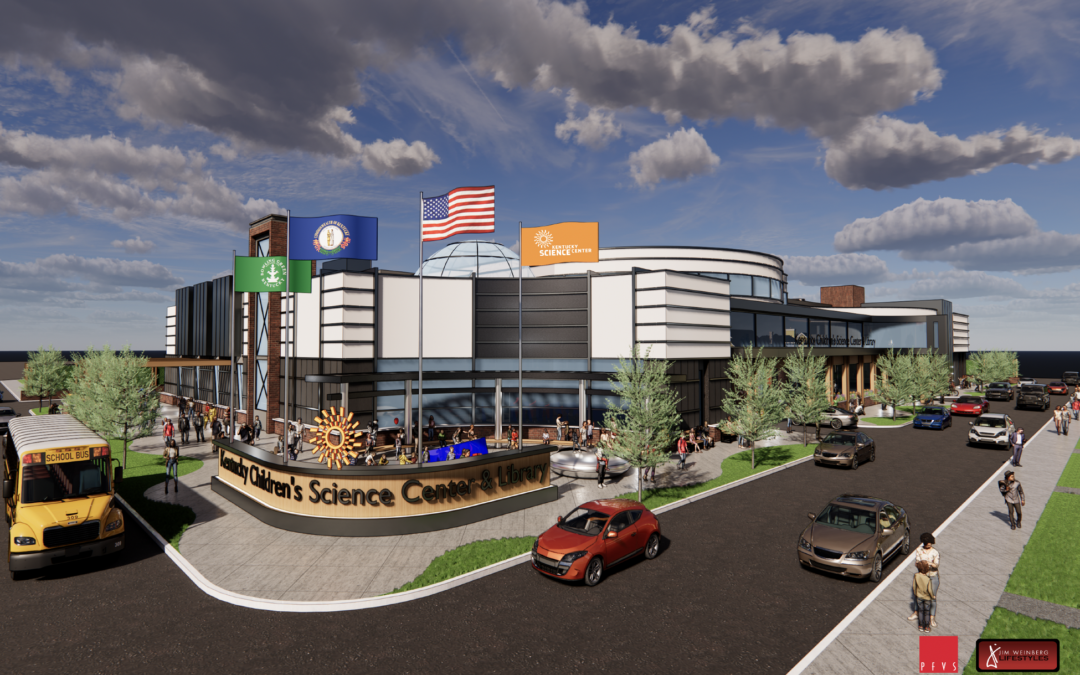
Several years ago, the Kentucky Science Center was just a sole location in Louisville, working to serve the whole state and neighboring regions. We interviewed Mike Norman, CEO, to hear his perspective on how Canopy’s market-driven feasibility study led to the Science Center’s expansion — creating sustainable growth, broader community impact, and vital education access.
Based on conversations with CEOs and board members, as well as our executive search work, we’ve gathered 10 best practices for navigating leadership transitions and succession planning in zoos, aquariums, and other cultural institutions.
Congratulations to the 2025 cohort of MIAZS’ Advancing Minority Leadership in Aquariums & Zoos Program! We caught up with several participants to capture their highlights from the program, as well as an overview of the impactful final projects they completed for their respective organizations.
Do you have clarity around who’s walking through your gates, who’s not, and where the opportunities lie? Learn how Canopy uses audience analytics and mapping tools to align mission and margin, empowering cultural attractions to make data-driven decisions that support strategic growth and impact.
A bold design concept needs a practical foundation — one that connects mission and margin, creativity and feasibility. That’s why the process of integrated planning is so valuable for cultural organizations. In this conversation with Unknown Studio’s Partner & Co-Founder, Claire Agre, we discuss collaboration, client readiness, and the evolving role of design in shaping sustainable, connected places.
Meet Yasmine Gaudin: Assistant Supervisor of Day Camps & Family Programs at the Phoenix Zoo and one of Canopy’s sponsored participants in the 2026 Advancing Minority Leadership in Aquariums & Zoos Program.
Benchmarking is incredibly useful in business and strategic planning, but there’s a downside that doesn’t get talked about much. When the industry’s comfort zone shrinks, caution turns into conformity and safety turns into sameness. A level of risk is necessary if cultural organizations want to survive — and that means experimenting beyond the benchmark.
Meet Cherie Dumas Nobles: Research Program Manager at the Audubon Nature Institute and one of Canopy’s sponsored participants in the 2026 Advancing Minority Leadership in Aquariums & Zoos Program.
Whether you’re exploring new opportunities or positioning yourself for future growth, this guide will give you an inside look into an executive search from the recruiter’s perspective — including proven success strategies and pitfalls to avoid as you navigate the process.
Even though using “lorem ipsum” often arouses curiosity due to its resemblance to classical Latin, it is not intended to have meaning. Where text is visible in a document, people tend to focus on the textual content rather than upon overall presentation.