Planning

The Benchmarking Trap: Why Cultural Organizations Need to Experiment More

The Benchmarking Trap: Why Cultural Organizations Need to Experiment More

Benchmarking is incredibly useful in business and strategic planning, but there’s a downside that doesn’t get talked about much. When the industry’s comfort zone shrinks, caution turns into conformity and safety turns into sameness. A level of risk is necessary if cultural organizations want to survive — and that means experimenting beyond the benchmark.

read more
Data-Driven Decisions: Turning Audience Insights Into Strategic Growth

Data-Driven Decisions: Turning Audience Insights Into Strategic Growth

Do you have clarity around who’s walking through your gates, who’s not, and where the opportunities lie? Learn how Canopy uses audience analytics and mapping tools to align mission and margin, empowering cultural attractions to make data-driven decisions that support strategic growth and impact.

read more
From Vision to Viability: Integrating Business and Master Planning for Cultural Organizations

From Vision to Viability: Integrating Business and Master Planning for Cultural Organizations

A bold design concept needs a practical foundation — one that connects mission and margin, creativity and feasibility. That’s why the process of integrated planning is so valuable for cultural organizations. In this conversation with Unknown Studio’s Partner & Co-Founder, Claire Agre, we discuss collaboration, client readiness, and the evolving role of design in shaping sustainable, connected places.

read more
Beyond the Plan: 5 Insights from APGA’s Strategic Planning Process

Beyond the Plan: 5 Insights from APGA’s Strategic Planning Process

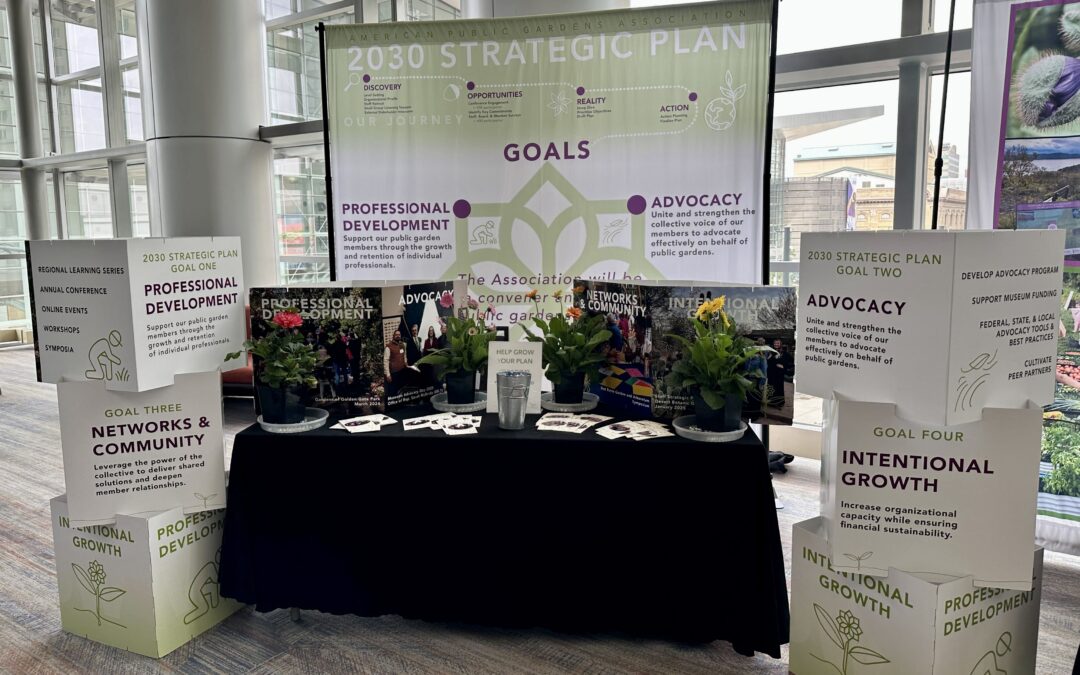
After an inclusive strategic planning process that incorporated 1,000 stakeholder touchpoints, Canopy officially launched the American Public Gardens Associations’ Strategic Plan 2030 at the Annual Conference in June. Anna Musun-Miller, who helmed the process, shares five valuable observations from the process that are applicable to all types of cultural institutions.

read more
The Power of Cross-Pollination Between Cultural Organizations

The Power of Cross-Pollination Between Cultural Organizations

With a client base that spans a range of cultural institutions, we see the benefits of cross-pollination in action every day. This ongoing exchange of ideas and best practices across different sectors isn’t just beneficial — it’s essential for relevance, sustainability, and advancement in today’s interconnected cultural landscape. Read on for resources + tips to help you incorporate more cross-pollination into your strategy.

read more
All the World’s a Stage: How Theater Skills Lead to Successful Strategic Plans

All the World’s a Stage: How Theater Skills Lead to Successful Strategic Plans

Life in the theater world is much like life in zoos, aquariums, gardens, museums, and other cultural orgs — this line of work draws people who are passionate about their craft, collaborative, creative, and community-oriented. Canopy’s Director of Engagement, Elise Bernardoni, shares six lessons from our team’s ‘past lives’ in the performing arts that make us gifted consultants, facilitators, and strategists today.

read more
The Benchmarking Trap: Why Cultural Organizations Need to Experiment More

The Benchmarking Trap: Why Cultural Organizations Need to Experiment More

Benchmarking is incredibly useful in business and strategic planning, but there’s a downside that doesn’t get talked about much. When the industry’s comfort zone shrinks, caution turns into conformity and safety turns into sameness. A level of risk is necessary if cultural organizations want to survive — and that means experimenting beyond the benchmark.

read more
Data-Driven Decisions: Turning Audience Insights Into Strategic Growth

Data-Driven Decisions: Turning Audience Insights Into Strategic Growth

Do you have clarity around who’s walking through your gates, who’s not, and where the opportunities lie? Learn how Canopy uses audience analytics and mapping tools to align mission and margin, empowering cultural attractions to make data-driven decisions that support strategic growth and impact.

read more
From Vision to Viability: Integrating Business and Master Planning for Cultural Organizations

From Vision to Viability: Integrating Business and Master Planning for Cultural Organizations

A bold design concept needs a practical foundation — one that connects mission and margin, creativity and feasibility. That’s why the process of integrated planning is so valuable for cultural organizations. In this conversation with Unknown Studio’s Partner & Co-Founder, Claire Agre, we discuss collaboration, client readiness, and the evolving role of design in shaping sustainable, connected places.

read more
Beyond the Plan: 5 Insights from APGA’s Strategic Planning Process

Beyond the Plan: 5 Insights from APGA’s Strategic Planning Process

After an inclusive strategic planning process that incorporated 1,000 stakeholder touchpoints, Canopy officially launched the American Public Gardens Associations’ Strategic Plan 2030 at the Annual Conference in June. Anna Musun-Miller, who helmed the process, shares five valuable observations from the process that are applicable to all types of cultural institutions.

read more

Dr. Frederick Lahodny

Even though using “lorem ipsum” often arouses curiosity due to its resemblance to classical Latin, it is not intended to have meaning. Where text is visible in a document, people tend to focus on the textual content rather than upon overall presentation.