Canopy’s VP, Anna Musun-Miller, helmed the strategic planning process for the American Public Gardens Association and officially launched the Strategic Plan 2030 in June alongside APGA’s CEO, Michelle Provaznik.
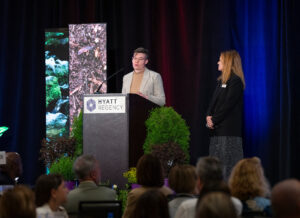
Photo credit: Scott Dressel-Martin for the American Public Gardens Association
Bringing garden professionals together to learn from each other is one of the things the Association does best, and that theme was reaffirmed throughout this inclusive strategic planning process, which incorporated 1,000 stakeholder touchpoints.
Anna shares five valuable observations from the process, all of which are applicable to cultural institutions both within and beyond the garden sector.
The strategic planning process offers a great relationship-building opportunity for your organization.
Strategic planning is an investment in time, money, and resources — if you don’t use this process to build relationships, that’s a missed opportunity. Through conversations with stakeholders and community partners, you can strengthen your position as a reliable partner and convener. Use this time to deepen your donor relationships as well. Relationships are seeds that continue to bear long after the planning process ends.
Listen to the conversations that are happening.
Getting out of your echo chamber and taking in outside perspectives is important for developing a realistic, actionable plan that speaks to what your community needs. Through Canopy-led interviews, panels, and workshops during the engagement, you can learn a lot about what’s going on in the minds of community leaders — and your staff, too.
The board can set the tone.
How can your board support the process and demonstrate their trust and respect? Quite simply…by showing up as they’re needed and getting out of the way as they’re not. Boards should provide visionary direction for an organization, while staff provide the subject matter expertise on how to achieve that vision. (In this particular planning process, APGA’s Board was a model representation of a wonderful board/staff relationship!)
Find the shared priorities between board, staff, and members/guests.
The theme of external interest vs. internal interest comes up often during strategic planning, but you can’t let the external goals be the end-all-be-all. You must get your house in order: That may not be a flashy goal, but it’s necessary for the plan to be achievable.
For example: APGA’s mission is to champion and advance public gardens as leaders, advocates, and innovators in the conservation and appreciation of plants. The Strategic Plan 2030 is composed of four goals and related objectives that support this.
- Professional Development
- Advocacy
- Networks & Community
- Intentional Growth
The fourth goal, Intentional Growth, is about increasing internal organizational capacity while ensuring financial sustainability. That work is critical to supporting the first three member-serving goals. Even though APGA’s members are the ‘customers,’ prioritizing internal work is an essential part of the final plan.
Leverage the process as an opportunity to be curious and learn.
There will be many conversations, discoveries, and ideas throughout the planning process that don’t end up in the final plan — but they are still valuable. The process is not just a means to an end; it’s a way to engage in these different types of interactions that you wouldn’t otherwise have in your day to day. Keep an open mind and soak it all in!