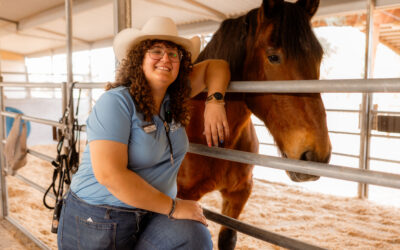
By: Grayson Ponti, Canopy Strategic Partners Content Contributor
Throughout any mission-driven organization, there are emerging leaders across many levels and departments trying to develop as a professional while also striving to advance to the next level. The question many of them might ask is: How do I become a better leader? I had the same question a few months ago and decided to create my own leadership development plan to start the process. My process has been working so well for me that I’d like to share it in case it can help others.
In my plan framework, start by thoroughly soul searching by evaluating yourself, watching how different individuals lead, and gaining valuable feedback from coworkers and colleagues. As a backbone to synergize the information, select a few competencies that are crucial to the leader you want to become. In my case, I used leadership presence, effective communication, developing others, innovation, and leading teams. These competencies are included in the Association of Zoos and Aquariums’ 2018 Executive Leadership Development Program as pillars for a competent and impactful leader in any level or profession.
The next part involves determining how those competencies are expressed in your current role as well as your desired next level and identifying three key strengths plus three areas of growth related to those competencies. For instance, the three key strengths I identified are inquisitiveness, authenticity, and resilience, while my three areas of growth are emotional constancy, nuance, and patience.
After identifying your strengths and growth areas, pick the brains of the people you admire to ask their perspectives on these competencies. Currently, I’m having in-depth conversations with current and past leaders from across the zoo and aquarium profession to learn about their own leadership journeys and gain insight on how to leverage the strengths identified into superpowers and further develop growth areas. These discussions include both practical advice as well as philosophical wisdom.
The last step is creating an action plan of how to put everything learned from the previous steps into action.
- What does success look like and how will I get there?
- What experiences will help me grow the competencies I want to improve? What can I do that’s safe but uncomfortable to help me expand from my comfort zone?
- Where can I use my strengths to have the strongest impact on the causes I’m passionate about?
- What brings me joy and lets me be the person I want to be?
I truly believe everyone can be a leader and have a community eagerly supporting them as they achieve their goals. These conversations challenge us to be better while also recognizing the unique talents and perspectives we all bring. This format is by no means intended to be a one-size-fits-all, but rather a case study of a plan working for me personally. I look forward to seeing how all of you grow into the incredible leaders you are born to be!