Congratulations to the second cohort of MIAZS’ Advancing Minority Leadership in Aquariums & Zoos Program, who officially completed the six-month program this fall by sharing presentations of impactful final projects for their respective organizations.
In partnership with Leadby, the AMLAZ Program invests in BIPOC mid-level leaders to accelerate their leadership growth and readiness to advance in their careers. Canopy is proud to have sponsored three participants in the 2025 cohort and we look forward to continuing our sponsorship in 2026.
We caught up with several members of the cohort, who generously shared personal highlights from the program and overviews of their capstone projects.
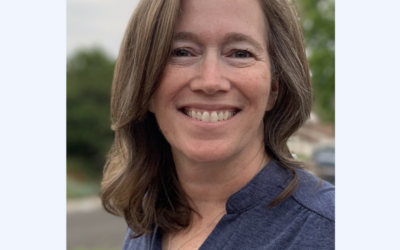
Satya Akquia
Community Engagement Manager, Department of Belonging, Denver Zoo Conservation Alliance

My final project focused on how UAVs (unmanned aerial vehicle or drone) have untapped potential as tools for wildlife conservation. Through projects like the one hosted at Denver Zoo Conservation Alliance, we can start to explore and tap into that potential. Using a UAV, I was able to take aerial images of invasive grasses in the conservation area of Daniels Park, located 40 minutes south of Denver, Colorado. By taking aerial images over time, I was able to identify potential hot spots of invasive grasses in grassland habitat. This will allow the Denver Zoo Conservation Alliance’s Colorado Field Conservation team to target these invasive grass areas for mitigation, thereby improving the overall grassland habitat for native grasses that can support Colorado wildlife.
Watch Satya’s presentation here.
Dr. Malu Celli
Vice President of Animal Care, Zoo New England
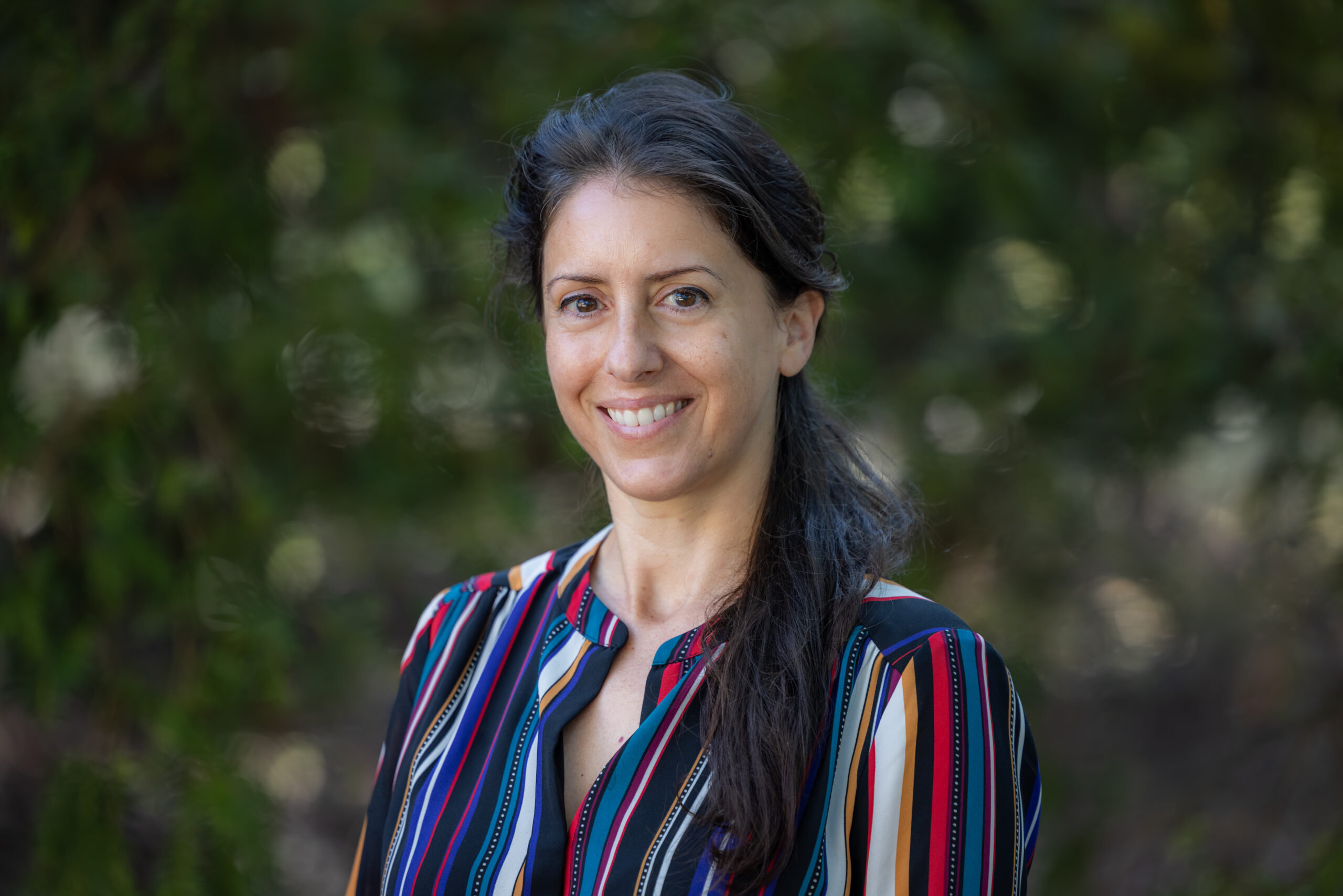
My project was to bring the concept of Just Culture to four departments in the Zoo. This new philosophy emphasizes learning from incidents and near misses instead of just punishing individuals. It invites a whole new way of viewing errors (from both HR, managers, and staff), inviting curiosity, accountability, and humility to assess and improve existing systems. It is still very much in its infancy but provided us with a path forward and the opportunity to jumpstart the Zoo’s culture and even tie it in with our DEAI efforts.
The most impactful piece of the AMLAZ program was reading and reflecting on the 360 evaluations, especially during the one-on-one coaching. I always welcome feedback as opportunities for growth, but don’t often get it. Reading candid thoughts from peers, direct reports, and leaders brought alternative perspectives to light: what I need to let go, where to focus my attention, and new patterns to upload as I continue in my leadership journey.
Watch Malu’s presentation here.
Chris Conner*
PhD Candidate
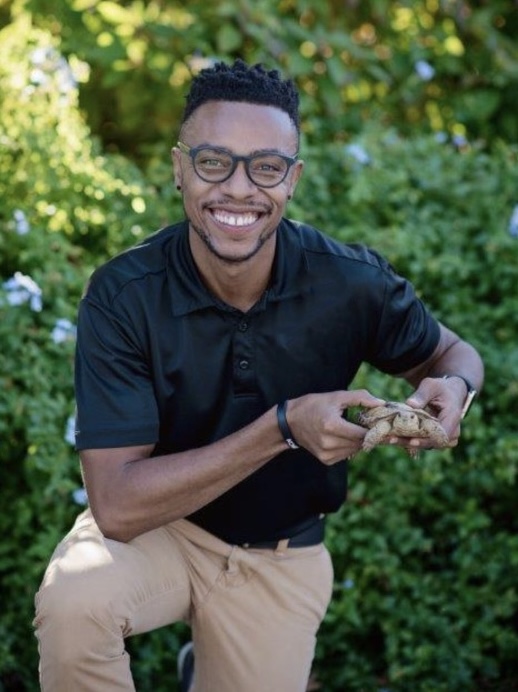
For me, the most powerful takeaway from the AMLAZ program is two-fold.
First, I’ve found hope in vulnerability. Being part of this journey alongside a cohort of leaders at every level and witnessing how openly senior leaders shared their areas for growth, some of which we all had in common, and committed to doing the work, was deeply inspiring. It showed me that real, positive change across the field is possible when leaders are willing to be honest, reflective, and actively engage in their own development.
Second, this program demonstrated what true access looks like, beyond the professional work itself. It created an intentional space for authentic connection and relationship-building, the kind that often gets lost in the busyness of life but is so essential for both navigating professional challenges and maintaining personal balance. In many ways, this experience reminded me that leadership isn’t just about leading others, it’s about leading with openness, connection, and hope.
The objective of my final project was to create a free online resource designed to meet the unique needs of our target audience. From this vision, Foundations for Aspiring New Generations, or F.A.N.G., was born. F.A.N.G. was created for emerging professionals, interns, volunteers, or career-changers who are navigating the early stages of working in zoos, aquariums, and conservation. We recognize that accessible, relevant support is often hard to find at this stage, especially for those whose experiences haven’t always been reflected in traditional professional development.
This course is their space to:
- Reflect on their identity, strengths, and values
- Explore their current role and how they show up in it
- Prepare for unexpected career opportunities
- Build confidence in who they are and where they’re going
- Connect their lived experiences to their professional journey
Watch Chris’ presentation here.
Read more about Chris’ experience in the program here.
Stephanie Gonzalez
School Partnerships Supervisor, Houston Zoo
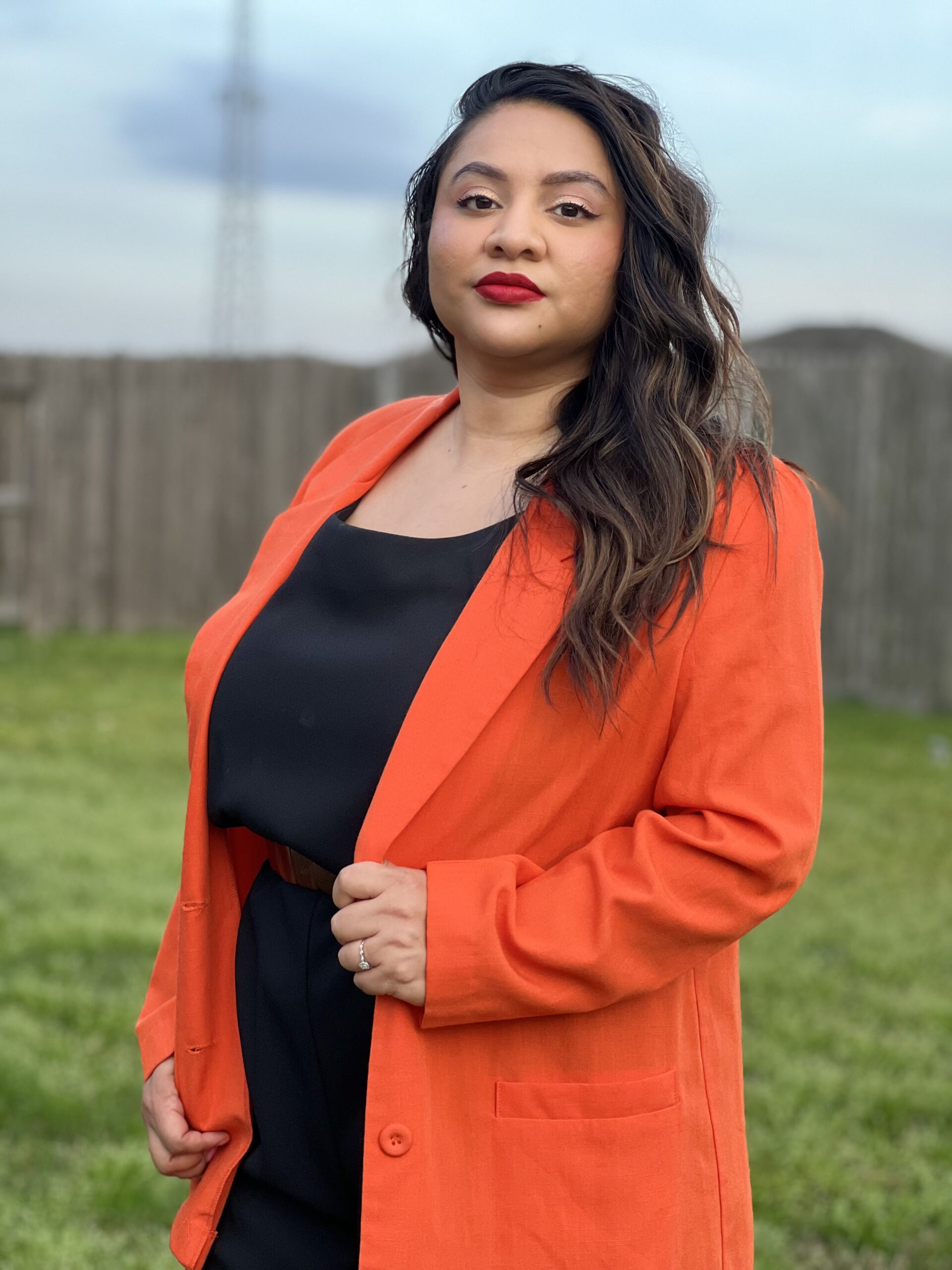
I’ve learned so much and gained many insights through this program, but one of the most impactful takeaways has been learning to communicate with confidence. I’ve also developed new management strategies that I’ve already begun putting into practice. These tools have helped me advocate more effectively — not just for myself, but for others as well. It has truly been a game changer in my leadership journey this year.
Watch Stephanie’s presentation here.
Read more about Stephanie’s experience in the program here.
Christine Peralta
Manager of Education, Prospect Park Zoo

Becoming a manager in this field, there wasn’t a training manual for me to reference as I encountered new challenges I had not experienced when I was an individual contributor, especially with regard to managing all kinds of unique individuals. Through one-on-one coaching and group meetings with my cohort, I was able to learn what other people in the industry did with these similar challenges and was able to find peers who were in the exact same place I was professionally. It was also extremely beneficial for me to be able to relate to other minority leaders across facilities due to our shared backgrounds. It made me feel at ease when talking about my experiences, knowing there were people there who could relate.
My final project was an opportunity for closer collaboration with the animal department at my zoo. With advice from animal supervisors and the tractable keeper, I created a template of an animal training plan from the education department’s perspective. We have written plans on training staff on animal handling, and the animal department has shaping plans on training new animals, but we did not have specific protocols or guidelines written for training a new animal to be used in educational programs. I asked education managers at other WCS parks, and no one had a set of guidelines! I asked around at other facilities, like the Tennessee Aquarium, and while not having written guidelines either, they were able to offer a lot of advice on what to consider when creating this resource. This project is a work in progress as I add to it with each new animal that joins our tractable collection and as we change some of our approaches with these individuals. My next step will actually be opening it up to other members of the education team to add their input.
Watch Christine’s presentation here.
Dr. Sheila Poo
Curator of Research, Memphis Zoo
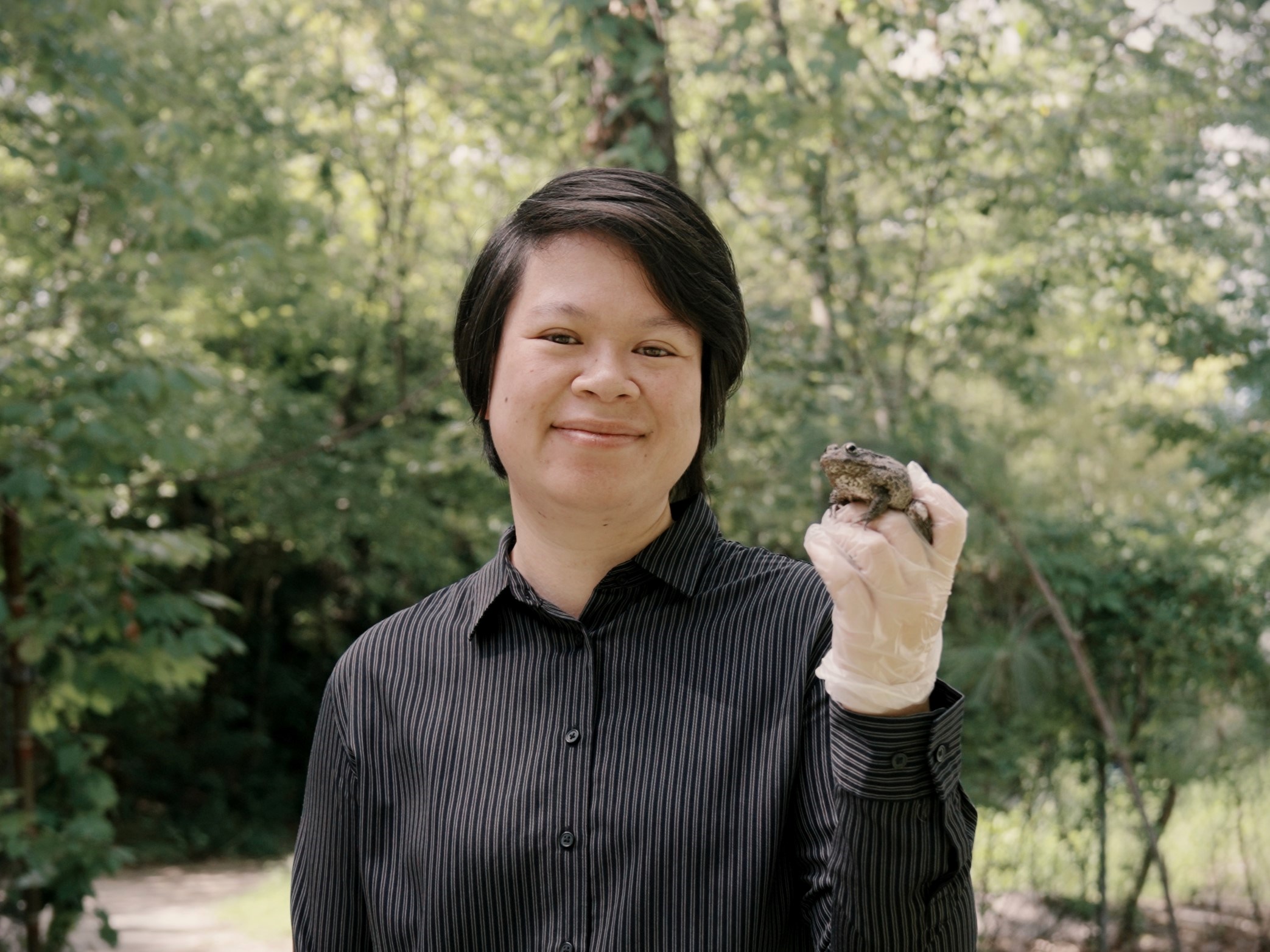
My project focused on my professional growth, the growth and development of my team and those I’m responsible for, and growing a conservation culture within my zoo.
A final takeaway from the program: While we are the minority in our profession, there’s a community of people in zoos and aquariums with similar experiences of navigating the same issues and challenges, who are open and happy to offer advice or help make connections.
Watch Sheila’s presentation here.
Read more about Sheila’s experience in the program here.
*Canopy-sponsored participant