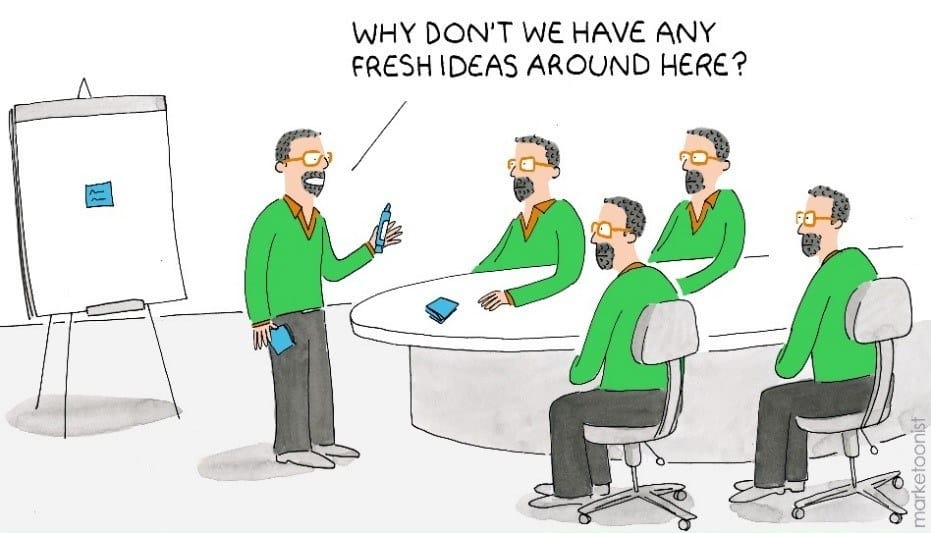
As a country, we’re becoming more and more diverse. But those leading and governing our organizations are not. How do we change the system to address these concerns?
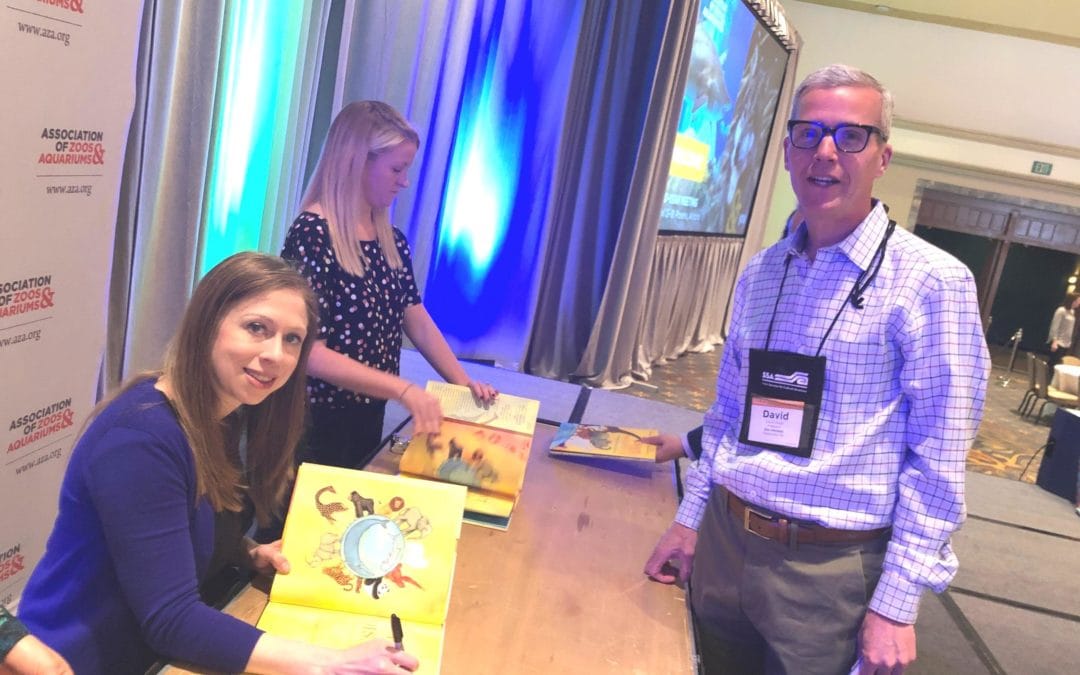
Read David’s key takeaways from last week’s Mid-Year AZA Conference that embodied the themes of ‘We’re All Here Together’ and the ‘Why?’ of zoos and aquariums, as discussed by renowned speakers Chelsea Clinton, Dan Ashe and Eric Bailey.
Zoo Advisors is committed to helping responsible zoos and aquariums achieve meaningful conservation impact while maximizing your conservation investment. How can you develop an integrated, comprehensive conservation strategy?
If you’ve reviewed the first and second posts from this series, you’re probably wondering “how can I use this information at my organization?” Look no further! We’ve put together a few recommendations for you to review…
We spent last week in Nashville sitting among over 200 international zoo and aquarium leaders. We talked opportunities, challenges, solutions and strategies. We discussed, debated and deliberated topics as varied as conservation, diversity, and advocacy. We celebrated successes, ignited passion, and became change agents. What were our takeaways from the Music City?
How does your organization compare? Is your membership program generating a good ROI? Are you spending enough on marketing? Are your personnel costs out of control? This is valuable information that you can use to compare/contrast the operating success and challenges of your own organization.
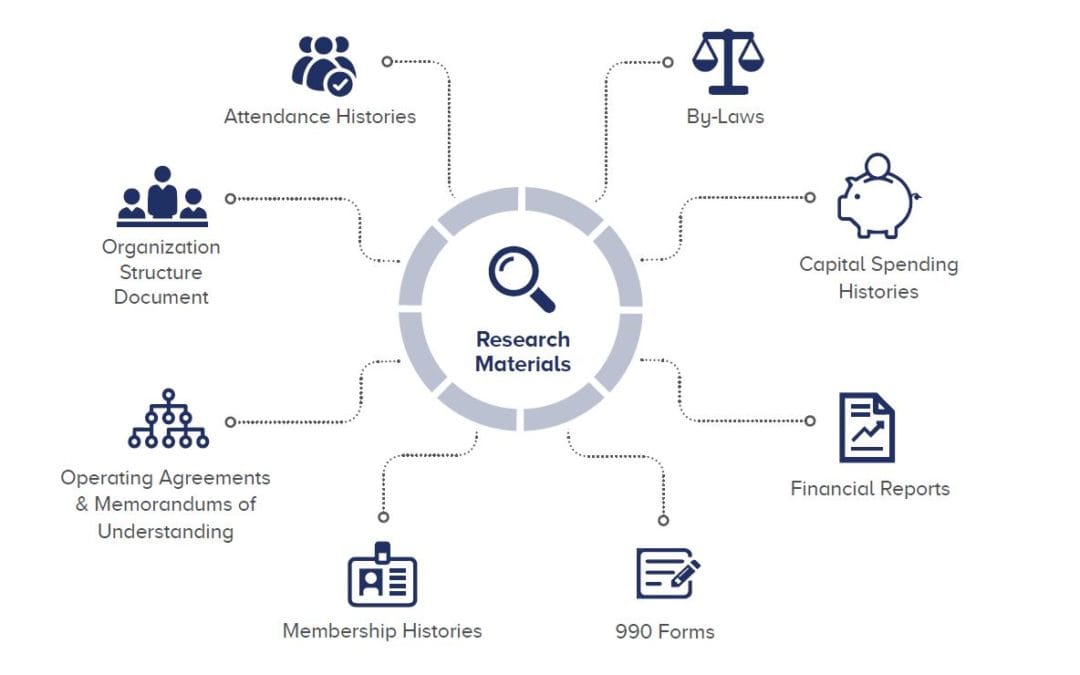
Zoo Advisors recently presented the ultimate findings to a new and exciting project which has consumed much of our attention over the past 12 months: a massive research study seeking to quantify and explore the contribution of partner organizations in the zoo and aquarium profession. Over the next two weeks, we’ll be sharing some of the findings from this study in a series of articles.
The Association of Zoos and Aquariums (AZA) recently released the results of their mid-year earned revenue survey (ERS). After years of general growth, this year’s results were an outlier: organizations across the United States reported moderate to heavy declines in attendance. These declines are being roundly contributed to poor weather. In this post, we test that assertion, as well as to provide input from a group of zoo directors and industry outsiders on the issue.
Collaboration. Cooperation. Conservation. — three principles that should guide our conservation efforts as we strive to preserve the world’s critically endangered biological heritage.
Over the past few decades, public consciousness about the importance of conserving the natural world has increased substantially, and opinions about zoos and aquariums are changing. Those of us inside the profession welcome this change: conservation education is at the foundation of what we do
Dr. Eric Miller interviews Dr. Peter Wyse-Jackson, President & Director of Missouri Botanical Garden & a founder of Botanic Gardens Conservation International, on conservation in botanical gardens & how zoos & aquariums might better cooperate.
The IPCC 2022 report on climate change is certainly cause for despair. We’ve pooled reports and commentary along with tools and resources on climate education to help provide thought-provoking conversations and solutions to address this crisis.
What is your vision for black futures in our industry and how do we get there? Our recent Community Conversation webinar focused on BIPOC leadership and how we can especially support emerging leaders.
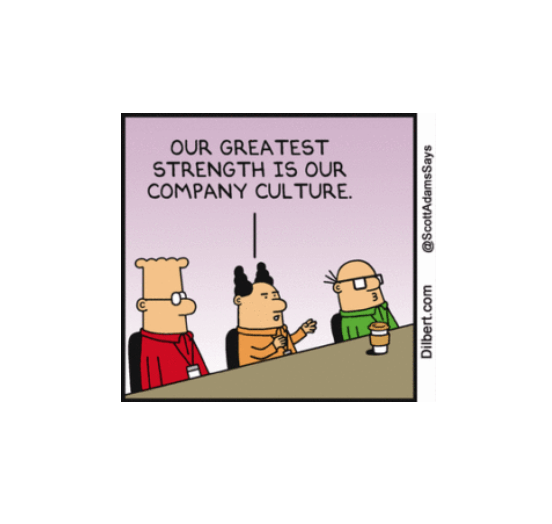
Leaders create their culture. Whether they mean to or not. There’s now scientific evidence of a linkage between job satisfaction, engagement, and organizational success. How do we weave a positive employee culture, conservation, and DEAIJ to create this success?
Even though using “lorem ipsum” often arouses curiosity due to its resemblance to classical Latin, it is not intended to have meaning. Where text is visible in a document, people tend to focus on the textual content rather than upon overall presentation.